
How Retailers Actually Detect Gift Card Fraud

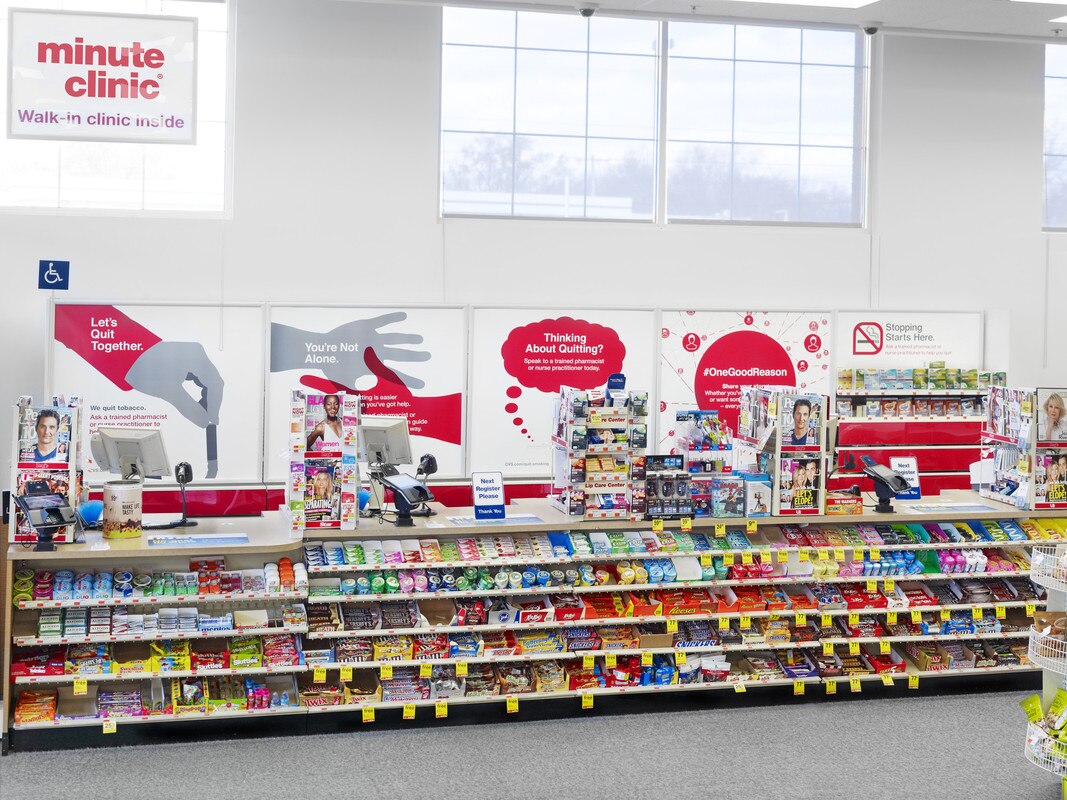
What a gift card is actually carrying when you pay for it
Retailers and the issuers behind them watch a gift card at three moments: when it is activated at the register, when its balance is checked online, and when it is redeemed. At each point software looks for patterns that honest shoppers do not usually produce, like dozens of cards bought in a minute or a card loaded in one state and drained online a few minutes later. Most of the big names now run a machine-learning score on top of fixed rules, which is why an ordinary purchase occasionally gets held.
A gift card looks like the simplest product in the store. A plastic rectangle, a barcode, a dollar amount. What it is really carrying is a small ledger entry sitting on a processor’s server, and that ledger is a target. Fraud does not care about the plastic. It cares about the number and the balance attached to it, and the people defending that balance have built a surprising amount of machinery to watch it.
The defense runs at three moments in a card’s life. There is activation, the instant the cashier scans the card and the register tells the processor to put money on it. There is the balance check, every time someone types the card number into a website to see what is left. And there is redemption, the moment the value gets spent. Each moment has its own controls, and a card that behaves oddly at any one of them can get frozen before the next.
None of this is new, but it has gotten quieter and smarter. The old model was a rule written by a human: flag any order over some threshold. The current model layers that over a scoring engine that learned what fraud looks like from millions of past transactions. We find it helps to understand the whole chain, because the same systems that stop a scammer are the ones that occasionally lock an ordinary shopper out of a card they paid for.
The register is the first checkpoint
Most of the real screening happens at activation, before a card has any value at all. The core idea is velocity. A single person buying one or two cards is normal. A person, or a card, or a store lane producing a burst of activations in a very short window is not, and velocity rules exist to catch exactly that shape. Too many cards too fast against the same payment method, the same card number, or the same terminal is the oldest and most reliable fraud signal there is.
Bulk purchases get their own treatment. A large stack of gift cards bought at once is a classic laundering and resale pattern, so a big order often triggers a review, a manager approval, or a hard cap on how many cards one transaction can activate. This is why the clerk sometimes has to call someone over when you buy a pile of cards for an office, and why some retailers simply refuse to activate more than a set number in one sale.
The payment itself is watched too. A declined card that is immediately retried, then retried again with a slightly different number, is the signature of someone testing stolen card data against a gift-card purchase. Issuers call this card testing, and gift cards are a favorite target for it because the value is instantly portable. A run of decline-then-retry attempts against gift-card activations is one of the clearest flags a processor can see, and it can shut a lane or an account down fast.
The balance-check page is a quieter battlefield
Once a card exists, its balance page becomes a point of attack in its own right. The threat here is enumeration. An attacker who has a valid card number format can write a script that guesses card numbers and PINs and hammers the balance-check endpoint, looking for any combination that returns a live balance. This is bot traffic, and at scale it is how stolen or guessed numbers get validated before they are sold or drained.
The defenses are the same ones any site uses against automated abuse, tuned for this specific page. Rate limiting caps how many checks can come from one source in a window. Anomaly scoring watches for the fingerprints of a script rather than a person: requests arriving too evenly, too fast, from data-center address ranges, with no normal browser behavior around them. A spike of balance checks that all fail is itself the tell, because a real cardholder almost always gets their balance on the first try.
This connects directly to the kind of automated attacks that hit gift-card systems generally. The balance page is the reconnaissance step. Harden it with rate limits, challenge the suspicious traffic, and score the patterns, and you cut off the supply of validated numbers that the rest of the fraud chain depends on.
Redemption is where the geography stops lying
The last checkpoint is redemption, and it is often the most revealing, because by now the card has a history. The system knows where and when it was activated, and it can compare that to where and when it is being spent. A card activated at a register in one state and then drained through an online checkout a few minutes later, from an address on the other side of the country, is a physical impossibility for a legitimate owner. That mismatch is one of the strongest redemption signals there is.
Velocity shows up again here. A card balance that gets spent down to zero in a single rapid sequence of transactions, especially across different merchants or in round-number chunks, looks different from how most people actually use a card over days or weeks. Redemption engines score the speed, the sequencing, and the channel, and a card that trips the threshold can be held mid-transaction while the rest of its value is protected.
The honest limitation is that redemption controls are reactive. By the time a card is being drained, the fraud has usually already happened upstream, at activation or through a scammed victim handing over the number. Catching it at redemption saves whatever is left and feeds the pattern back into the scoring model, but the earlier checkpoints are where the real prevention lives.
The physical layer still does a lot of work
Not all of the defense is software. A large share of gift-card fraud starts in the store, on the rack, with a human quietly tampering with cards before anyone buys them. The countermeasures are deliberately low-tech. Tamper-evident packaging, scratch-off PIN coverings, and sealed sleeves exist so that a card whose code has already been copied looks wrong when you pick it up. If the packaging is scratched, peeled, or resealed, that is the single most useful thing a shopper can actually see.
Behind the rack, retailers run in-store audits. Staff are trained to check the gift-card display for cards that have been removed and returned, for packaging that does not sit right, and for the telltale signs of a draining scheme where thieves record numbers, wait for a victim to load the card, then spend the balance remotely. Some chains have moved high-value cards behind the counter or into locked fixtures for the same reason.
The register prompt is the human-facing edge of all of this. When a cashier asks whether you were told to buy these cards by someone on the phone, or pauses a large gift-card sale, that is not nosiness. It is a scripted intervention aimed at the scam where a victim is coached into buying cards and reading the numbers to a stranger. The FTC has pushed hard on that specific point of sale, and the prompt is one of the few places a fraud gets interrupted while the money is still in the room.
What it feels like from the other side of the counter
I found the edge of this system on an ordinary Tuesday at a Target near me, buying for a work thing. I had a short list, four cards, nothing exotic. A couple of Uber Eats cards for a team lunch, an Old Navy card, a Sephora card for a coworker who had been carrying the office for a month. Not a stack. Not suspicious, I thought.
The first three scanned fine. On the fourth, the lane just stopped. The screen did the thing where it goes blank and waits, and the cashier, who had clearly done this before, said she needed a second and called a lead over. They asked me, politely and a little flatly, whether anyone had called me and told me to buy gift cards today. I said no, these are for work, and the lead nodded like that was the answer that let her keep going. She keyed something, the sale went through, and that was it. The whole thing took maybe ninety seconds.
Separately, months earlier, I watched a card of mine get declined on what I later understood was a fraud hold. I had bought it online, the activation and the attempted first use came from two very different places in a short window because I was traveling, and the system did exactly what it is built to do. It froze a card I actually owned. I called the number on the back, answered two questions, and it released. Annoying, and also, honestly, working as designed. That is the trade. The same reflex that asked me about a phone scam at the register is the one that locked my own card, and I would rather have both than neither.
The machine-learning score sitting on top of everything
Most large retailers and the processors behind them no longer rely on fixed rules alone. They run a machine-learning fraud score, a model trained on enormous volumes of past transactions that learned which combinations of signals tend to precede a chargeback or a drained card. It weighs the velocity, the geography, the device, the payment history, the time of day, and hundreds of other features at once, and returns a risk score in the moment a transaction happens. Payments-fraud engines like Stripe Radar are a public example of this approach, and the big retail gift-card programs run their own versions of the same idea.
The appeal is that a model catches patterns a human would never think to write a rule for, and adapts as fraud shifts. The cost is false positives, and this is the part worth being honest about. Every fraud model has a dial between catching more fraud and inconveniencing more real customers, and there is no setting that does only one. Turn it up and you stop more theft and also freeze more legitimate shoppers. Turn it down and the opposite. The shopper whose card gets locked for buying a few cards at once, or for using a card far from where it was bought, is not a bug in the system. They are the known, accepted cost of where the dial is set.
We do not have a reliable, attributable public figure for how often these models misfire, and we are not going to invent one. What we can say plainly is that the false-positive problem is real, it is structural, and it is the reason a legitimate gift-card purchase occasionally gets held for review even though you did nothing wrong.
Where the system still fails, and how not to get caught in it
For all the machinery, the biggest hole is not technical. It is the scammed victim who buys cards willingly and reads the numbers to a stranger over the phone. No velocity rule stops a calm person buying two cards and leaving. That is why the register prompt exists, and it is still the weakest link, because the controls are tuned to catch patterns and a coached victim produces a normal-looking transaction. Card draining off the rack is the other persistent failure, which is why tamper-evident packaging matters more than any scoring model you will never see.
If you want to stay out of both the fraud and the false-positive net, a few habits help. Inspect the packaging before you buy and skip any card whose PIN cover or seal looks disturbed. Keep your receipt and the card number photographed, because recovering a drained or frozen balance is far easier with proof of purchase. Register the card online if the issuer lets you, which ties it to you and speeds up any hold release. And if a card does get frozen, call the number on the back rather than assuming the money is gone, because a fraud hold is usually reversible once you confirm you are the owner.
When you are buying as a gift and want to avoid the whole physical-tampering problem, a digital eGift card bought directly from a legitimate seller sidesteps the rack entirely, since there is no package to scratch and no PIN sitting in the open on a store hook. Buying carried brands like Target, Kohls, Ulta Beauty, Panera Bread, Subway, Taco Bell, Roblox, or Razer Gold from a trusted source, rather than grabbing the one card at the back of a rack with a suspiciously loose seal, is the simplest defense a shopper actually controls.
Frequently asked questions
Why did my gift card get declined when I know it has a balance?
The most common cause is a fraud hold, not an empty balance. Fraud-scoring systems freeze a card when its activity trips a risk threshold, such as being used far from where it was bought or spent very fast. Call the number on the back, confirm you are the owner, and the hold is usually released.
Why does the store ask if someone told me to buy gift cards?
That question is a scripted anti-scam prompt, not nosiness. It targets the fraud where a victim is coached over the phone into buying cards and reading the numbers to a stranger. The cashier is trying to interrupt that specific scam while the money is still in the store.
Why is there a limit on how many gift cards I can buy at once?
Bulk gift-card purchases are a known money-laundering and resale pattern, so retailers cap how many cards one transaction can activate and flag large orders for review. The limit exists to make the velocity-based fraud shape harder to produce, which is why a big order sometimes needs a manager.
How do retailers know a card was activated in one place and spent in another?
Every card carries a record of where and when it was activated, and the redemption system compares that to where it is being spent. A card loaded at a register in one state and drained online elsewhere minutes later is physically impossible for a real owner, so that mismatch is a strong fraud signal.
What is gift card enumeration and how is it stopped?
Enumeration is when an attacker scripts a bot to guess card numbers and PINs against a balance-check page, hunting for live balances. It is stopped with rate limiting, bot detection, and anomaly scoring that recognize automated traffic, since a real cardholder almost always gets their balance on the first try rather than after thousands of failures.
Does tamper-evident packaging actually help?
Yes, and it is the one defense a shopper can see directly. If the PIN cover is scratched off, the seal is peeled, or the sleeve has been resealed, the card may have been drained before you bought it. Skipping any card whose packaging looks disturbed avoids a large share of rack-based fraud.
What is a machine-learning fraud score?
It is a model trained on large volumes of past transactions that assigns a risk score to each purchase in real time, weighing velocity, geography, device, and payment history at once. Most big retailers and payment processors run one on top of their fixed fraud rules because it catches patterns no hand-written rule would.
Can a fraud system lock a card I legitimately own?
Yes, and this is a known cost of fraud scoring, called a false positive. Every model trades catching more fraud against inconveniencing more real customers, and there is no setting that avoids both. A legitimate purchase can get held, which is usually cleared by confirming your identity with the issuer.
How can I lower the chance my own gift card purchase gets flagged?
Buy from a trusted seller, keep your receipt and a photo of the card number, and register the card online if the issuer allows it so the balance is tied to you. Those steps both speed up any hold release and make recovering a disputed balance far easier if something does go wrong.
The short version
The short version is that a gift card is watched at three moments, activation, balance check, and redemption, with a machine-learning score sitting over the fixed rules at every one. Velocity, geography, and bulk-order shapes are the signals that catch most fraud, tamper-evident packaging catches the rest on the rack, and the register prompt is aimed at the scammed-victim hole no software can close. The honest catch is that the same machinery occasionally freezes an ordinary shopper, which is the accepted cost of where the dial is set. I have been on both ends of it, asked about a phone scam at the register and locked out of my own card, and I would take both over a system that catches nothing. Inspect the seal, keep the receipt, register the card, and call the number on the back before you assume the money is gone.