
Utility Shut-Off Gift Card Scam Explained (2026)

How the shut-off call actually sounds
If anyone calls claiming to be your utility company and says your power, gas, or water will be shut off within the hour unless you pay right now in gift cards, it is a scam. Real utilities send written notices, give you weeks of warning, and never demand payment in Apple, Target, or Google Play gift cards. Hang up, call the customer service number printed on your actual bill, and report the call to the FTC at reportfraud.ftc.gov.
The script is almost always the same. The phone rings, and a voice that sounds official and a little bored tells you your account is past due. Your electricity, or your gas, or your water, is scheduled for disconnection. Not next week. Within the hour. A truck is already on the way. If you want to keep the lights on, you need to pay the balance immediately, and the only way they can process it this fast is a gift card.
They will name a real-sounding amount and a real-sounding reason. Sometimes they spoof the caller ID so your phone shows the actual utility’s name. Sometimes they put you on a brief hold with fake hold music to make it feel like a real call center. Then they walk you to the nearest drugstore or big-box store, tell you to buy Apple, Target, or Google Play gift cards, and read them the numbers off the back.
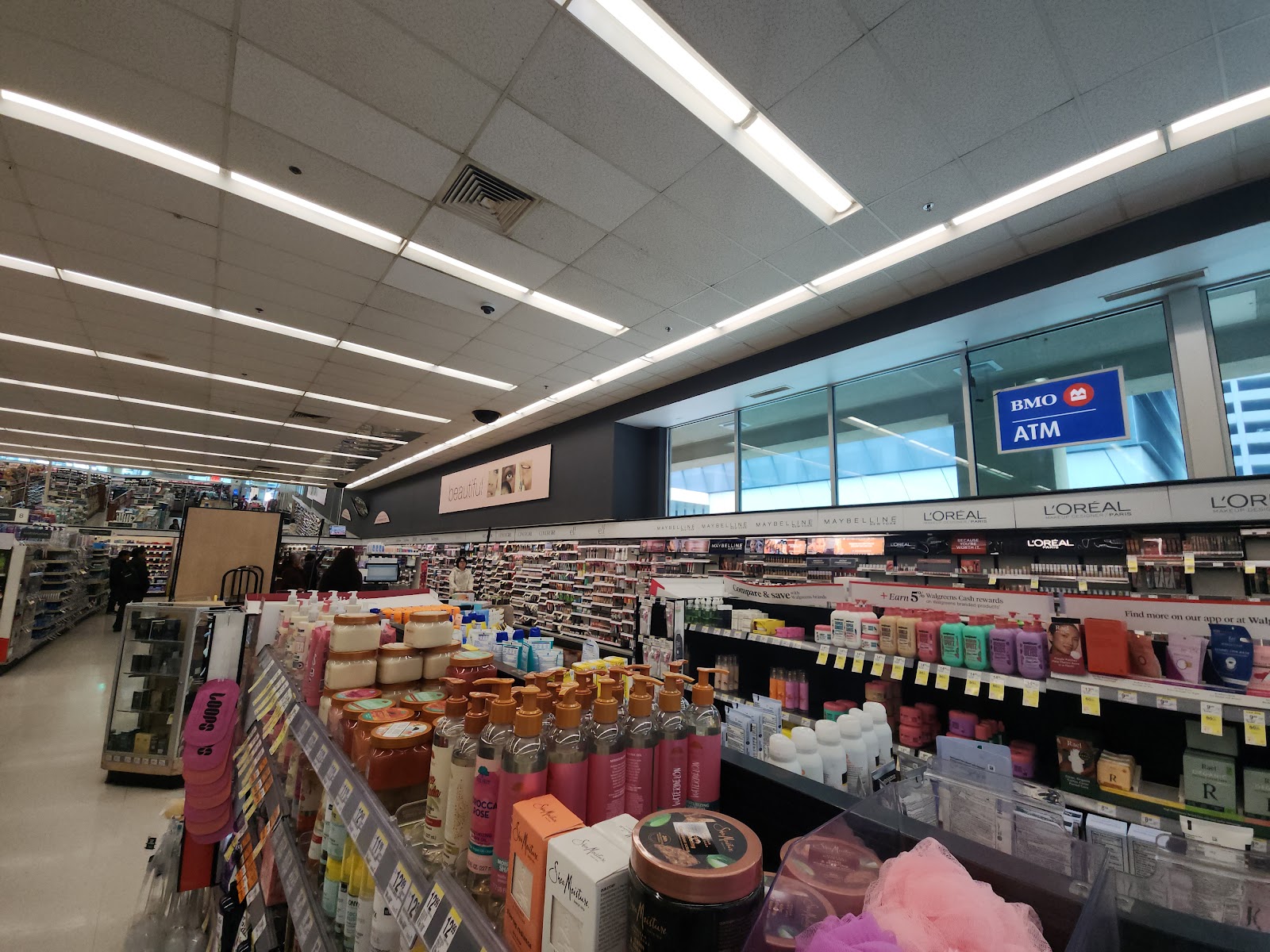
The whole thing is built on one feeling: panic. They do not want you to think. They want you scared enough about sitting in the dark that you drive to a Walgreens and read sixteen digits to a stranger. Once those numbers leave your mouth, the money is gone, and no refund is coming.
Why a gift card demand is always the tell
Here is the thing worth memorizing, because it ends the call every time. No real utility company takes payment in gift cards. Not for a late bill, not for a deposit, not for a reconnection fee, not ever. Gift cards are a product you buy for a person. They are not a payment rail for a regulated utility, and the people who run your power grid know that better than anyone.
Real utilities are also slow and paper-heavy in a way that is actually reassuring here. Before anyone cuts your service, you get written notice, usually by mail, usually with weeks of warning and a specific date. Most states require it. Your provider also offers normal ways to pay: your online account, a mailed check, a phone line that charges your card or bank account directly. We have never seen a single legitimate disconnection that hinged on a Target gift card and a one-hour deadline.
So the logic collapses to a simple rule. The instant payment method is gift cards, the whole thing is a scam. It does not matter how official the voice is, how real the caller ID looks, or how much they know about your street. The method gives them away. The FTC has said the same thing for years: nobody legitimate will ever demand payment in gift cards.
The four minutes that killed the scare

I got one of these calls on a weekday afternoon, and I will admit the opening landed. The voice told me my power was forty-eight hours from shut-off over an unpaid balance, read back the first part of an address that was close enough to mine, and had the flat, tired cadence of someone who makes these calls all day. For about ten seconds my stomach did the thing it is supposed to do.
Then I did the only thing that matters. I hung up. I did not argue, I did not ask questions, I did not stay on to see where it went. I pulled my actual electric bill out of the kitchen drawer, found the customer service number printed on it, and called that number myself. It took four minutes. The real company had no past-due balance, no disconnection notice, no record of any call. The whole emergency evaporated the moment I dialed a number the scammer did not control.
That is the entire defense, and it works because it quietly takes back the one thing the scam depends on. They need you to use their number, their timeline, their panic. The moment you hang up and call the number on your own bill, you are talking to the real utility on your own terms, and there is nothing left for them to threaten you with.
Who gets targeted, and when they call
This scam goes after everyone, but it leans on people who cannot easily afford to lose a day of power and cannot easily afford to call the bluff. Older adults get hit hard. So do recent immigrants and anyone who already worries, reasonably, that a billing mistake could leave them in the dark. The threat works best on people for whom the threat is genuinely frightening.
Small businesses are a favorite target, and the timing is deliberate. The call comes during the lunch rush at a restaurant, or mid-afternoon at a salon with a full book, when a manager is slammed and the idea of the walk-in cooler going warm or the lights dying on a room full of customers is a real, expensive nightmare. Scammers know a busy owner is more likely to just make the problem go away than to stop and verify. That pressure is the point.
The season matters too. These calls spike in the dead of a cold winter and the worst of a hot summer, exactly when losing heat or air conditioning feels less like an inconvenience and more like a genuine threat. The scammers are not subtle about it. They are selling fear, and they price it to the weather.
What to do when the call comes
Keep it simple, because the simplicity is what protects you. First, hang up. You owe a cold caller nothing, and ending the call costs you nothing. Do not read anyone a gift card number, do not confirm your account details, do not stay on to be polite. The call is the attack, and hanging up ends it.
Second, verify on your own terms. Find the customer service number printed on your paper bill or on your provider’s official website, and call that number yourself to ask whether anything is actually wrong. Never call back the number that called you, and never trust a number the caller gives you. Most major utilities also run their own scam-warning pages that spell out exactly how they will and will not contact you, and they are worth a two-minute read.
Third, report it. Tell the FTC at reportfraud.ftc.gov, which is how patterns get tracked and warnings go out, and tell your real utility so they can alert other customers in your area. If you already handed over gift card numbers, call the card’s issuer right away, because once in a while a fast call can freeze a balance before it drains. Then report it anyway. Speed is the only thing on your side after the numbers are gone.
Frequently asked questions
Will my power company ever ask me to pay with gift cards?
No. No legitimate electric, gas, or water utility accepts gift cards as payment for any reason, including late bills, deposits, or reconnection fees. Gift cards are a product you buy for a person, not a way to pay a regulated utility. Any gift card demand is a guaranteed sign of a scam, no matter how official the caller sounds.
The caller ID showed my real utility’s name. Doesn’t that make it legit?
No. Scammers routinely spoof caller ID so your phone displays the real company name or number, and it is cheap and easy to do. A trustworthy-looking caller ID proves nothing about who is actually calling. Judge the call by what they are asking for, not by what your screen says.
How much warning does a real utility give before a shut-off?
Real disconnections are slow and well documented. You typically get written notice, usually by mail, with a specific date that is days or weeks away, and most states legally require advance warning. A caller claiming your service dies within the hour is using a fake deadline to keep you from thinking. Real companies do not work on a one-hour clock.
What should I do the moment I get one of these calls?
Hang up. You are not obligated to stay on the line, and ending the call is the fastest way to shut the scam down. Do not argue, confirm account details, or read anyone a gift card number. Then verify independently by calling the number printed on your actual bill.
How do I check whether my bill is actually past due?
Call the customer service number printed on your paper bill or listed on your provider’s official website, and ask directly. Never call back the number that called you, and never trust a phone number the caller gives you. You can also log into your utility account online to see your real balance. Verifying on your own terms removes every bit of leverage the scammer had.
Why do scammers specifically demand gift cards instead of a card or transfer?
Gift cards are fast, nearly anonymous, and almost impossible to reverse once the numbers are shared. The scammer only needs the digits off the back, and the money is gone the moment you read them aloud. That irreversibility is exactly why they insist on it, and exactly why the demand is such a reliable warning sign.
Are small businesses really targeted differently?
Yes. Scammers often call businesses during the busiest part of the day, like a restaurant’s lunch rush or a packed afternoon at a salon, when a manager is slammed and the thought of losing power in front of customers is a real, costly fear. A rushed owner is more likely to pay quickly than to stop and verify. If a shut-off call hits during your busiest hour, treat that timing as a red flag.
I already gave them the gift card numbers. Is there anything I can do?
Act immediately. Call the gift card’s issuer, such as Apple, Google, or the retailer whose card you bought, explain that you are the victim of a scam, and ask them to freeze the balance. Once in a while a fast call freezes the funds before they drain, though recovery is never guaranteed. Then report it to the FTC and your real utility regardless.
Where do I report a utility shut-off gift card scam?
Report it to the Federal Trade Commission at reportfraud.ftc.gov, which helps track patterns and push out warnings. Also notify your real utility company so they can alert other customers in your area. Many utilities maintain their own scam-awareness pages describing exactly how they do and do not contact customers. Reporting takes a few minutes and helps protect the next person who gets the call.
The short version
I have taken one of these calls myself, and the fear is real for about ten seconds before the logic catches up. So hold onto the one rule that never fails: no real utility will ever ask you to pay a bill in gift cards. When the lights supposedly go out in an hour and the fix is a Target card, it is a lie every single time. Hang up, call the number printed on your own bill, and report the rest.